
Transforming Healthcare with Cloud-Based Hospital Management: Introducing HMS.Hospital
In the modern era of healthcare, seamless coordination, real-time access, and efficient workflows are no longer luxuries — they are necessities. Hospitals and clinics facing growing patient loads, regulatory complexities, and demands for quality care must adopt systems that streamline operations. HMS.Hospital , powered by AVIOX, offers just that: a comprehensive, cloud-based hospital management solution that brings together all departments under one unified platform.
Why Hospitals Need a Unified Management System
The traditional model — with separate silos for patient registration, pharmacy, billing, diagnostics, and staff scheduling — often leads to delays, errors, and inefficiencies. With fragmented systems:
Patient data may be duplicated or lost
Departments struggle with inconsistent workflows
Administrators spend excessive time reconciling accounts
Staff cannot access real-time information across units
HMS.Hospital addresses these issues by offering modules for OPD, IPD, pharmacy, radiology, pathology, ambulance, inventory, HR, billing, TPA management, and more — all seamlessly integrated.
Core Features That Make HMS.Hospital Stand Out
1. Role-Based Access & Dashboards
Different roles — doctors, nurses, receptionists, lab technicians, admin staff — each have customized dashboards and access appropriate tools and data. This minimizes errors and boosts focus.
2. Real-Time Patient Monitoring & Records
From admission to discharge, every patient’s journey is tracked: consultations, lab results, radiology images, prescriptions, vitals, and more. Clinicians and staff can view up-to-date records instantly.
3. Smart Billing, Finance & Insurance (TPA) Integration
Generate itemized invoices, process insurance claims, and reconcile payments. The financial module links directly with other modules to reduce redundancy and improve accuracy.
4. Pharmacy & Inventory Management
Track medication stocks, manage expiry dates, reorder levels, and synchronize pharmacy operations with patient prescriptions. This prevents stockouts and excessive wastage.
5. Multi-Department Coordination
Laboratory, radiology, blood bank, ambulance, front office, referrals — all modules talk to each other. This cross-department linkage is key to efficient patient workflow.
6. Customization & Cloud Architecture
HMS.Hospital is fully customizable to your hospital’s structure, branding, and processes. Its cloud architecture ensures that users can securely access the system anytime, anywhere with robust backups.
7. Support & Updates
24/7 support, regular updates, and continuous improvements ensure the system evolves with healthcare trends.
How Hospitals Benefit: Use Cases & Impact
Improved Efficiency & Reduced Errors
By automating manual tasks like billing, stock reconciliation, patient referrals, and staff scheduling, HMS.Hospital cuts down on human error and frees staff to focus on care.
Better Patient Experience
Shorter wait times, faster diagnostics, smoother billing, and consistent care continuity all lead to higher patient satisfaction.
Data-Driven Decisions
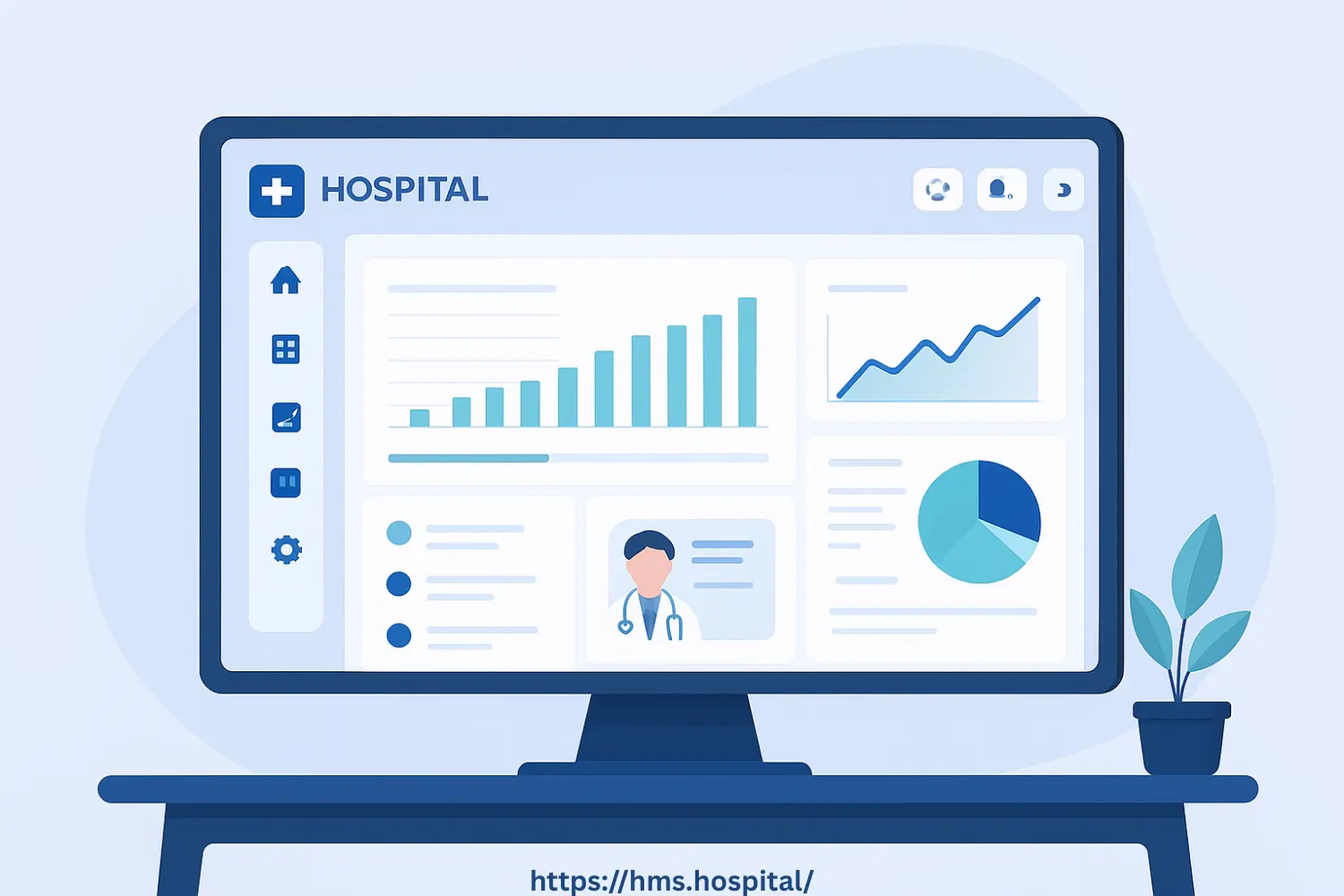
Comprehensive reporting dashboards enable administrators to monitor KPIs: bed occupancy, department performance, financial trends, and more — empowering strategic improvements.
Scalability & Growth
Whether you're a small clinic or a multi-specialty hospital, HMS is built to scale. You can activate modules as you grow, without switching platforms.
Interoperability & Integrations
Zoom calls, payment gateways, and third-party integrations (e.g. for labs or finance tools) help extend functionality. The system’s architecture supports these integrations.
Best Practices: Getting the Most from HMS.Hospital
1. Plan Your Modules Strategically
Start with core modules like OPD, pharmacy, billing, and then add advanced ones (radiology, ambulance, HR) as you go. This phased approach helps with smoother adoption.
2. Train Your Entire Staff
Ensure everyone — doctors, nurses, billing staff, admin — understands their access level and how to use the system. Hands-on workshops and ongoing training are essential.
3. Keep Data Accurate & Clean
Proper patient records, inventory entries, and staff details make the system powerful. Inaccurate data reduces value.
4. Monitor Reports Regularly
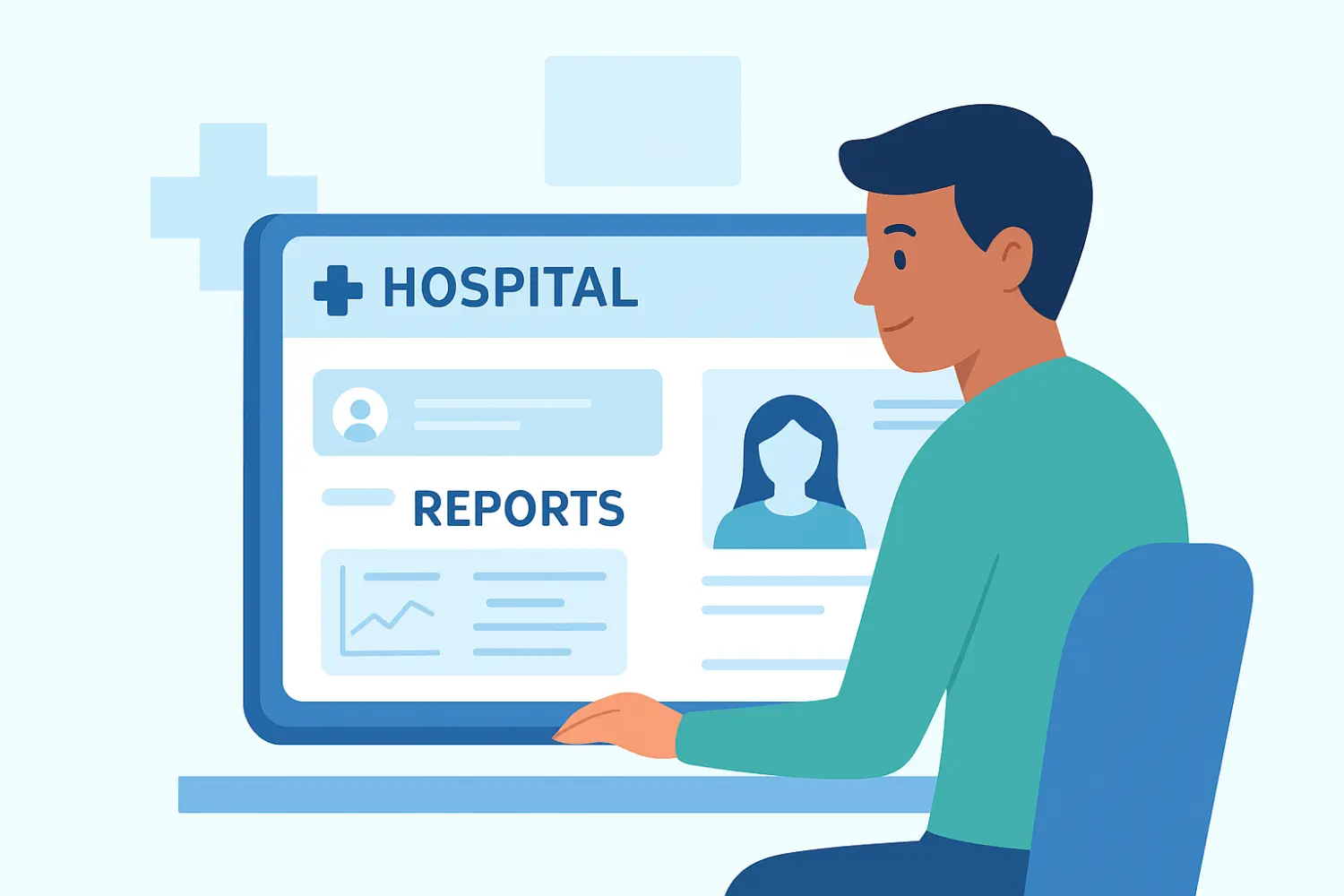
Make it a habit to review weekly or monthly dashboards to spot issues early (like overstock medicines, unpaid invoices, or staff workload imbalances).
5. Seek Customization Where Needed
Don’t shy from tailoring the system to your hospital’s workflow. The strength of HMS.Hospital lies in its adaptability.
The Future of Healthcare: HMS and Beyond
As healthcare becomes increasingly digital, systems like HMS.Hospital will pave the way forward. Anticipated future enhancements could include:
AI-Driven Clinical Decision Support: Suggesting diagnoses or treatment plans based on patient data.
Predictive Analytics: Forecasting patient influx, medicine demand, or staffing needs.
Patient Portal & Mobile App: Allowing patients to view their reports, schedule appointments, and communicate with doctors.
Telemedicine Integration: Expand remote consultations beyond simple links, with inbuilt video, prescriptions, and follow-ups.
These enhancements can further multiply efficiency and patient engagement.
Leave a comment
Your email address will not be published. Required fields are marked *